
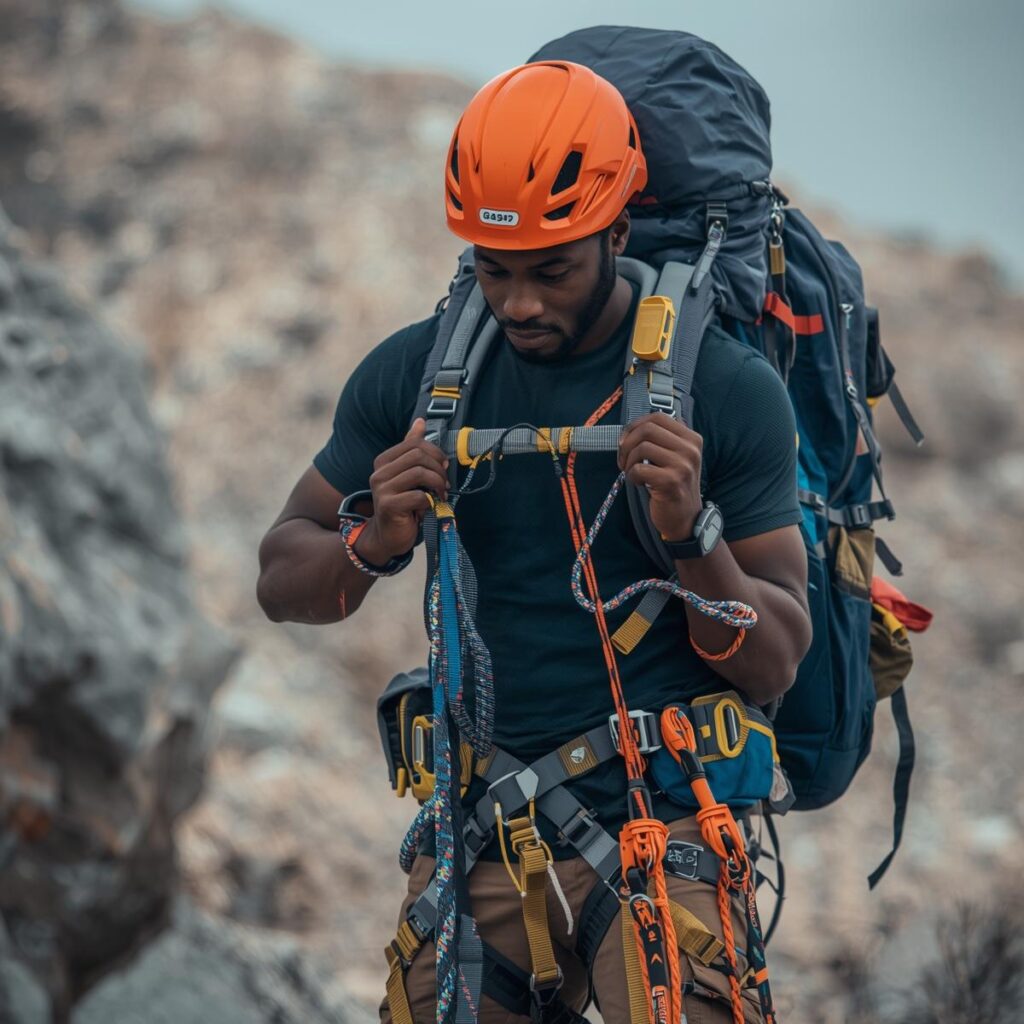

Adventure sports involve physical activity performed in natural or unfamiliar environments. These activities may include hiking, climbing, cycling, water sports, or terrain based challenges. Because adventure sports often take place away from controlled settings, safety and preparation play a major role in participation and performance.
This article explains safety and preparation tips for adventure sports, focusing on planning, equipment, physical readiness, environmental awareness, and risk management.
Understanding Adventure Sports Risks
Adventure sports expose participants to environmental factors such as terrain changes, weather shifts, altitude variation, and limited access to immediate help. Risk increases when preparation is incomplete or awareness is low.
Understanding risks allows participants to plan and respond effectively.
Importance Of Preparation
Preparation reduces uncertainty. It allows individuals to anticipate challenges and respond to changing conditions.
Preparation includes:
- Physical readiness
- Equipment planning
- Route knowledge
- Emergency planning
Prepared participants reduce injury risk.
Physical Preparation For Adventure Sports
Physical readiness supports control and endurance.
Strength And Endurance
Strength supports load carrying and movement control.
Endurance supports sustained effort over time.
Training before participation supports safety.
Mobility And Balance
Mobility supports joint movement.
Balance supports stability on uneven surfaces.
Simple movement practice supports readiness.
Equipment Selection And Inspection
Equipment supports safety and function.
Proper Footwear
Footwear should match terrain.
Good fit supports balance and reduces strain.
Protective Gear
Protective gear supports impact reduction.
Examples include:
- Helmets
- Gloves
- Padding
Gear should be inspected before use.
Load Management
Carrying excess load increases fatigue.
Load should match duration and ability.
Weather Awareness And Planning
Weather affects safety.
Planning includes:
- Checking forecasts
- Understanding temperature ranges
- Planning for rain or wind
Weather awareness supports decision making.
Route Planning And Navigation
Knowing the route reduces risk.
Route planning includes:
- Distance
- Elevation change
- Access points
Navigation tools include maps and GPS devices.
Backup navigation methods support safety.
Hydration And Nutrition Planning
Hydration supports circulation and movement.
Nutrition supports energy availability.
Participants should plan:
- Water access
- Food supply
Dehydration increases risk.
Emergency Preparedness
Emergency planning supports response during unexpected events.
Communication Tools
Communication tools include:
- Mobile devices
- Radios
Devices should be charged.
First Aid Knowledge
Basic first aid knowledge supports immediate response.
Knowing how to treat minor injuries supports safety.
Emergency Supplies
Supplies may include:
- First aid kit
- Light source
- Emergency shelter
Supplies support response during delays.
Group Safety Practices
Group activities require coordination.
Group safety includes:
- Clear communication
- Pace management
- Regular check ins
Group awareness supports safety.
Solo Adventure Considerations
Solo participation increases responsibility.
Solo participants should:
- Inform others of plans
- Limit risk exposure
Planning reduces isolation risk.
Understanding Environmental Impact
Environmental awareness supports safety and conservation.
Participants should:
- Respect wildlife
- Follow trail guidelines
Awareness reduces risk and damage.
Recognizing Signs Of Fatigue
Fatigue increases error risk.
Signs include:
- Reduced coordination
- Slower response
Responding early supports safety.
Decision Making During Activity
Decision making should adapt to conditions.
Turning back is sometimes the safest choice.
Flexibility supports safety.
Recovery And Post Activity Care
Recovery supports continued participation.
Recovery includes:
- Rest
- Hydration
- Nutrition
Post activity care supports future performance.
Training For Adventure Sports
Training should reflect activity demands.
Practice includes:
- Load carrying
- Terrain exposure
Training reduces risk.
Safety For Different Experience Levels
Beginners
Beginners focus on:
- Guided activities
- Basic routes
Intermediate Participants
Intermediate participants focus on:
- Independent planning
- Skill development
Advanced Participants
Advanced participants focus on:
- Complex routes
- Risk management
Experience influences preparation needs.
Common Safety Mistakes
Mistakes include:
- Poor planning
- Ignoring weather
- Overestimating ability
Avoiding mistakes supports safety.
Legal And Access Considerations
Some locations require permits.
Understanding regulations supports compliance.
Mental Preparedness
Mental readiness supports calm decision making.
Managing stress supports focus.
Long Term Safety Habits
Safety habits develop through repetition.
Consistent preparation supports confidence.
Integrating Safety Into Adventure Culture
Safety should be part of planning, not an afterthought.
Routine checks support consistency.
Final Thoughts
Safety and preparation tips for adventure sports focus on planning, equipment readiness, physical preparation, and awareness of environmental factors. By preparing for conditions, managing risk, and responding to body signals, participants can reduce injury risk and support continued participation. Adventure sports require respect for both the activity and the environment, and preparation supports safe engagement over time.


