
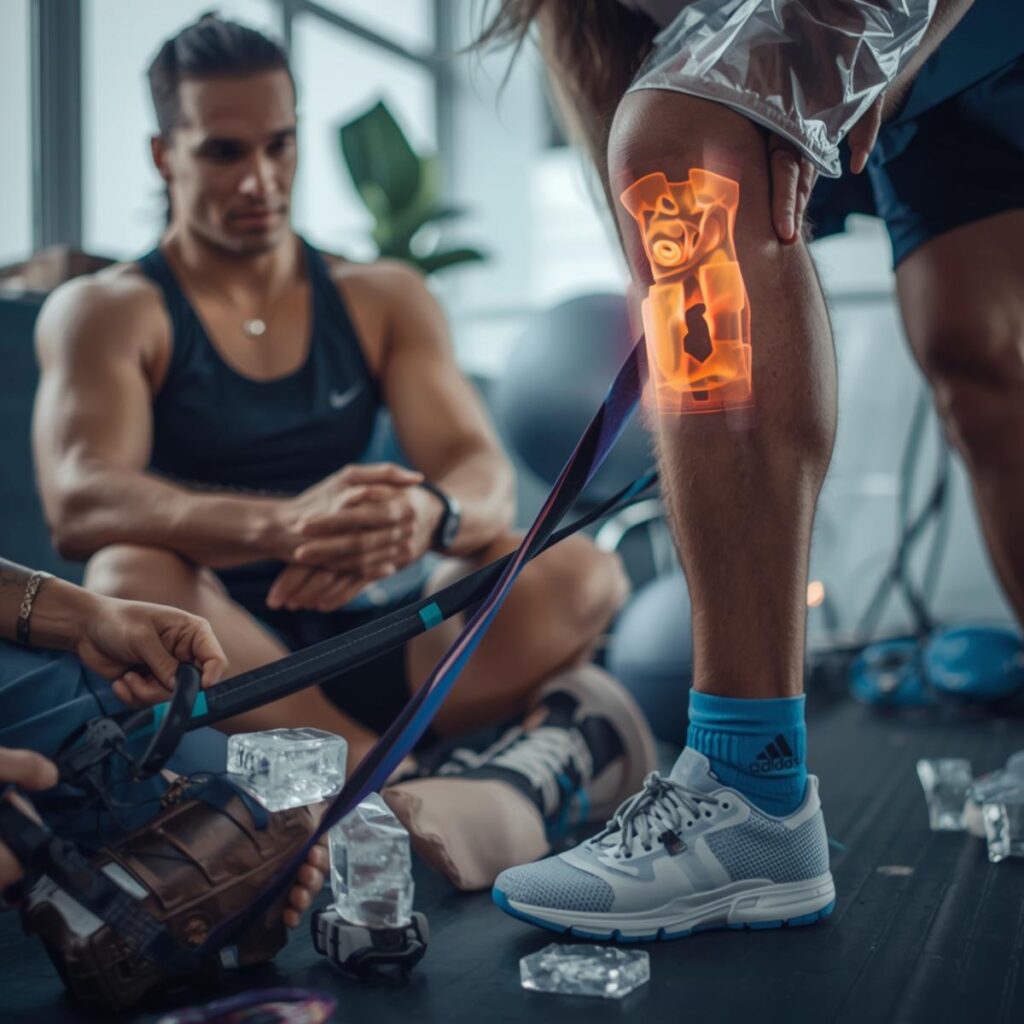

Sports injuries occur when physical stress exceeds the body’s capacity to adapt. They affect both recreational participants and competitive athletes across all sports. Understanding injury causes, prevention methods, and recovery strategies helps reduce downtime and supports long term participation.
This article explains common sports injuries, their causes, prevention approaches, and recovery processes in a clear and practical way.
Understanding Sports Injuries
A sports injury refers to damage to muscles, joints, tendons, ligaments, or bones caused by physical activity. Injuries may occur suddenly or develop over time due to repeated stress.
Sports injuries are often linked to movement patterns, training load, and recovery habits.
Categories Of Sports Injuries
Sports injuries are commonly divided into two categories.
Acute Injuries
Acute injuries happen suddenly.
Examples include:
- Sprains
- Strains
- Fractures
- Dislocations
These injuries often result from impact or sudden movement.
Overuse Injuries
Overuse injuries develop gradually.
Examples include:
- Tendon irritation
- Joint pain
- Muscle soreness
Repeated stress without adequate recovery causes overuse injuries.
Common Sports Injuries
Muscle Strains
Muscle strains occur when muscle fibers stretch beyond capacity.
Common areas include:
- Hamstrings
- Quadriceps
- Calves
Strains often result from sudden acceleration or fatigue.
Ligament Sprains
Ligament sprains involve overstretching or tearing of ligaments.
Common locations include:
- Ankle
- Knee
- Wrist
Poor landing mechanics increase risk.
Tendon Injuries
Tendons connect muscle to bone.
Repeated stress may cause tendon pain and reduced movement.
Joint Injuries
Joint injuries affect knees, shoulders, hips, and ankles.
Improper movement and weak support muscles contribute to joint issues.
Stress Fractures
Stress fractures are small bone cracks caused by repeated loading.
They often occur in weight bearing bones.
Causes Of Sports Injuries
Poor Movement Mechanics
Improper technique increases joint and muscle stress.
Learning proper movement patterns reduces risk.
Sudden Training Load Increases
Rapid increases in volume or intensity overload tissues.
Gradual progression supports adaptation.
Inadequate Warm Up
Cold muscles respond slower to stress.
Skipping warm up increases injury risk.
Fatigue
Fatigue reduces coordination and reaction time.
Fatigued muscles absorb less force.
Inadequate Recovery
Lack of rest prevents tissue repair.
Chronic fatigue increases injury risk.
Equipment Issues
Improper footwear or protective gear affects movement and stability.
Equipment should match activity demands.
Injury Prevention Strategies
Proper Warm Up
Warm up increases circulation and prepares muscles for activity.
Warm up should include:
- Light movement
- Dynamic motion
Warm up supports coordination.
Strength Training
Strength supports joint stability.
Balanced strength reduces uneven loading.
Mobility Training
Mobility allows joints to move through required ranges.
Restricted movement increases stress on other tissues.
Gradual Progression
Training increases should follow a gradual pattern.
Progression supports tissue adaptation.
Technique Training
Learning correct technique reduces strain.
Coaching and feedback support movement efficiency.
Rest And Recovery
Rest allows tissue repair.
Scheduled recovery supports training consistency.
Recognizing Early Warning Signs
Early signs include:
- Persistent soreness
- Reduced range of motion
- Pain during movement
Responding early prevents injury progression.
Immediate Injury Response
Initial response aims to limit damage.
Common steps include:
- Activity cessation
- Protection of the area
Early response supports recovery.
Recovery Process
Rest Phase
Rest allows healing.
Activity modification prevents further damage.
Rehabilitation Phase
Rehabilitation restores movement and strength.
Rehabilitation includes:
- Mobility work
- Strength exercises
Guided progression supports recovery.
Return To Activity Phase
Gradual return prevents re injury.
Load increases should remain controlled.
Role Of Physical Therapy
Physical therapy supports recovery through targeted exercises.
Therapists guide movement retraining and progression.
Nutrition And Injury Recovery
Nutrition supports tissue repair.
Adequate intake supports healing processes.
Hydration supports circulation.
Sleep And Recovery
Sleep supports hormonal regulation and tissue repair.
Consistent sleep supports recovery outcomes.
Mental Aspect Of Injury Recovery
Injury affects mental state.
Managing expectations supports adherence to recovery plans.
Injury Prevention In Youth Sports
Youth athletes require:
- Proper supervision
- Age appropriate training
Early habits influence long term health.
Injury Prevention In Adult Sports
Adults should manage workload and recovery.
Awareness supports continued participation.
Injury Prevention In Competitive Sports
Competitive sports require structured planning.
Monitoring training load supports injury reduction.
Common Injury Prevention Mistakes
Mistakes include:
- Ignoring pain
- Rushing return
- Skipping recovery
Avoiding mistakes supports long term health.
Long Term Injury Prevention Habits
Consistent habits reduce injury risk.
Habits include:
- Warm up routines
- Strength maintenance
- Recovery planning
When To Seek Professional Help
Seek help if pain persists or worsens.
Professional guidance supports safe recovery.
Integrating Injury Prevention Into Training
Injury prevention should be part of training plans.
Consistent practice supports safety.
Final Thoughts
Common sports injuries result from movement stress, training load errors, and recovery gaps. Understanding causes, applying prevention strategies, and following structured recovery processes supports long term participation in sports. Injury prevention and recovery are ongoing processes that require awareness, planning, and consistency.


